

Prioritising Prevention: The Roadmap to Keeping Britain Working


Written by:
Carl Bartlett, Director
HAE EHA Hire Certification Services
. 19th March 2026
A Special Report from the House of Commons Policy Workshop.
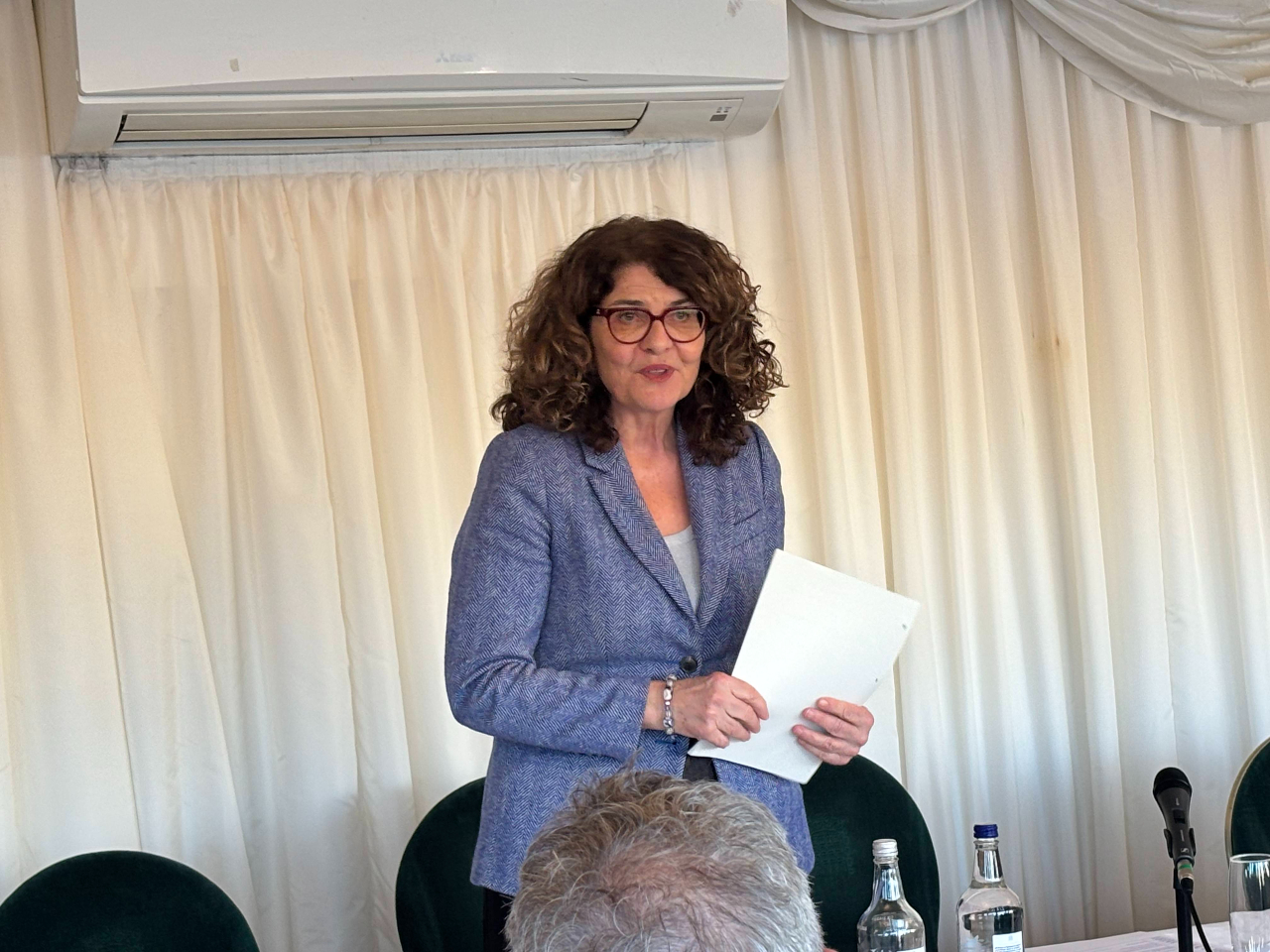
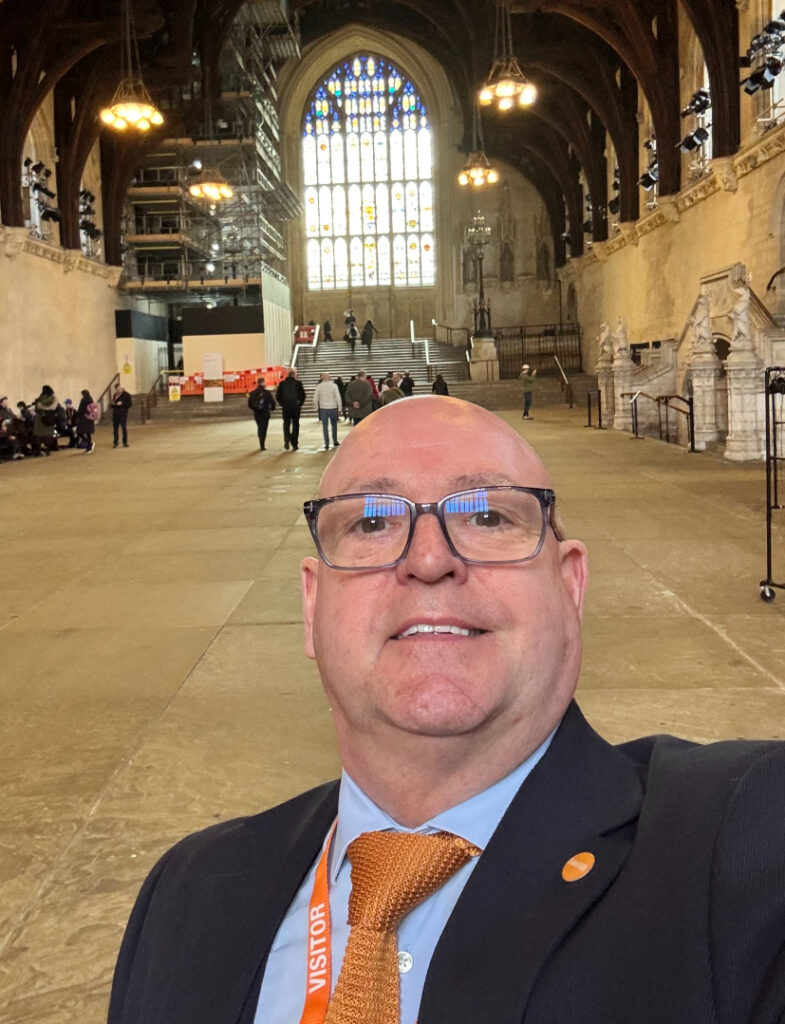
In late February, I represented the Hire Association Europe (HAE) at the Terrace Pavilion, House of Commons, for a high-profile IOSH workshop: “How Can a Prevention-First and Person-Centred Approach Keep Britain Working?”
Hosted by Lee Barron MP, the event addressed a staggering national crisis: over 2.8 million working-age people are currently out of the workforce due to ill health, costing the UK economy an estimated £212 billion annually.
For the hire and rental sector, where physical demands and operational pace are high, the move toward a “prevention-first” culture isn’t just a policy shift; it is a business necessity to protect our most valuable asset: our people.
The Regulator’s Perspective: Health is “Unfinished Business”
John Rowe, representing the Health and Safety Executive (HSE), delivered a powerful reminder that while the UK has made monumental strides in physical safety since 1974, work-related ill health remains “the unfinished business” of the regulator.
Rowe emphasised that mental health and musculoskeletal (MSK) issues now account for the vast majority of lost working days. His challenge to industry leaders was clear: “Are you treating work-related ill health as seriously as safety?” For our members, this means moving beyond reactive “sticking plasters” and embedding health into the very design of work, ensuring that the hire yard is as mentally supportive as it is physically safe.
Government Commitment: Support for the Frontline
Dame Diana Johnson MP, Minister for Employment, reinforced that keeping people in work is a top government priority. She highlighted that the Department for Work and Pensions (DWP) is actively investing in the capability of those who matter most: line managers.
A key announcement for our SME-heavy sector was the rollout of free occupational health training for 5,000 line managers, led by IOSH. The Minister noted that while only 20% of SMEs currently provide such training, 79% of those who do find it highly effective in preventing long-term absence. This is a vital opportunity for HAE members to upskill their teams at no cost, fostering the “simple, honest conversations” that keep issues from escalating.
The Mayfield Review: A Three-Year Strategy for Stability
Sir Charlie Mayfield, Chair of the Government’s Keep Britain Working Review, outlined the roadmap for 2026–2028. He described a “vanguard phase” aimed at re-humanising the workplace and reducing the reliance on the “problematic” fit note system.
Mayfield’s strategy for the next two years focuses on three pillars:
The “Hannah and Tom” Test
Perhaps most relevant to our sector was Sir Charlie’s “Hannah and Tom test”. He reminded the room that any new policy must work for the small business owner; the person running a local hire firm or a chain of regional depots. If a health strategy isn’t simple, practical, and accessible for these employers, it won’t work for Britain.
Final Takeaway for Hire Association Members
The workshop made it clear that “Good Work” is the best form of prevention. By embracing a person-centred approach—prioritising early intervention and flexible adjustments—we can relieve pressure on the NHS while building more resilient, productive businesses.
As we move toward the 2027 “Vanguard” phase, HAE EHA members are encouraged to lead the way by treating health with the same rigorous standard we apply to our equipment safety.
There are limited numbers of places available for the free occupational health training for SME line managers, led by IOSH so members are encouraged to act promptly.
Grab one of 5,000 DWP-funded places available before the end of March 2026 via the following link.